




Overview
Eczema is a common long-term skin condition that can cause itching, discomfort and affects quality of life. It affects up to 20% of children and 10% of adults. A particularly important subtype is head and neck eczema, which can be difficult to treat and is often more visible.
Researchers now believe that the microbes naturally living on our skin, including bacteria and yeasts such as Malassezia, may play an important role in how eczema develops and responds to treatment.
Through the FACE Study, we are exploring how the skin microbiome, skin barrier and immune system interact in people with head and neck eczema. By improving our understanding of these processes, we hope to support the development of more personalised and effective treatments in the future.
Study Design
The FACE study is an observational study, which means taking part will not change your usual treatment or care. A total of 80 participants will take part, including children (aged 2 years and older), young people and adults with eczema that is affecting their head and neck.
Participants will be grouped based on their eczema pattern and their sensitivity to a commonly found skin yeast (Malassezia). The main participant groups are:
- Group 1: Patients with predominantly head and neck eczema, who are sensitised to Malassezia.
- Group 2: Patients with eczema mainly affecting the torso or limbs, with some head and neck involvement, who are not sensitised to Malassezia.
Participants will attend one baseline study visit, where we will collect clinical information and biological samples. Some participants who are starting a systemic treatment for eczema (e.g. dupilumab) will also be invited to attend optional follow-up visits around 4 weeks and 16 weeks after starting treatment. At these visits, we will repeat some of the study assessments to understand how eczema and the skin microbiome change over time.
This study design allows us to compare different types of eczema, understand the role of skin microbes such as Malassezia and Staphylococci, and explore how these may influence treatment response.
Study Methods

Skin Swabs
A soft swab will be gently rubbed over the areas of eczema-affected and non-affected skin. These samples will be used to identify the microorganisms and metabolites that are involved in eczema.
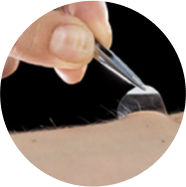
Skin Tape Stripping
Small sticky strips will be placed on the surface of the skin and gently removed to collect tiny samples from the outer layers of the skin.
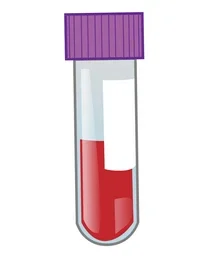
Blood Sample
Similar to a routine blood test used to measure allergy-related antibodies and understand how your immune system is reacting to skin inflammation.

Skin Barrier Samples
The amount of water that evaporates from the skin’s surface will be measured to help us understand how well your skin holds onto moisture. Your skin surface pH will also be measured as this affects the microbes living on your skin. These will be measured using a probe held gently on the surface of the skin.

Skin Scraping (Optional)
Skin flakes on the surface of your skin will be collected to help us understand which microbes are present and may be contributing to eczema.
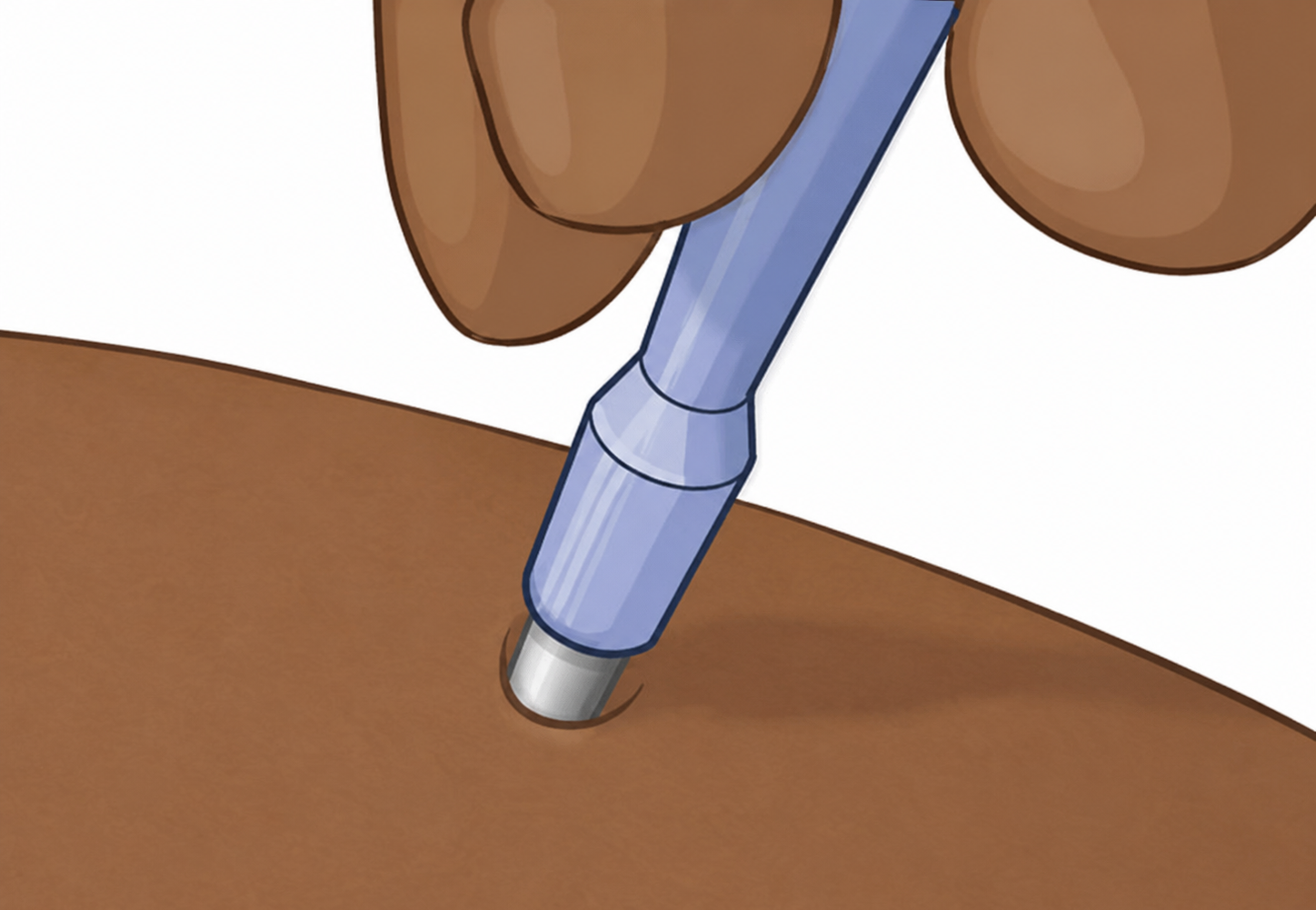
Skin Biopsy (Optional)
Using a punch biopsy, we will sample an area of skin.

Allergy Testing (Optional)
Routine skin prick testing to common allergens via skin prick testing.

Medical Photographs (Optional)
Photos will be taken to document skin changes.
Study Aims
This study aims to understand how differences in the types and characteristics of microbes that live on the skin may influence eczema, and why eczema can vary between different groups of patients We are particularly interested in how the skin interacts with these microbes, and whether people who are sensitive to a common skin yeast (Malassezia) have distinct patterns in their skin microbes, immune responses, and skin chemistry.
The primary aims of the study are to:
- Collect samples of microbes from areas of eczema-affected and unaffected skin
- Compare how these microbes differ between people with different patterns of eczema
- Understand how these microbes interact with the skin and immune system
The secondary aims for the study are to:
- Explore how eczema symptoms are linked to sensitivity to Malassezia
- Investigate how these patterns relate to disease severity and distribution (for example, eczema affected the head and neck)
- Study how skin microbes and immune responses may change after starting systemic treatments for eczema
Interested in taking part?
If you are interested in finding out more or taking part, please express your interest by following the QR code link or contact the study team on [[email protected]].
https://www.surveymonkey.com/r/J9TVNWZ