



Overview
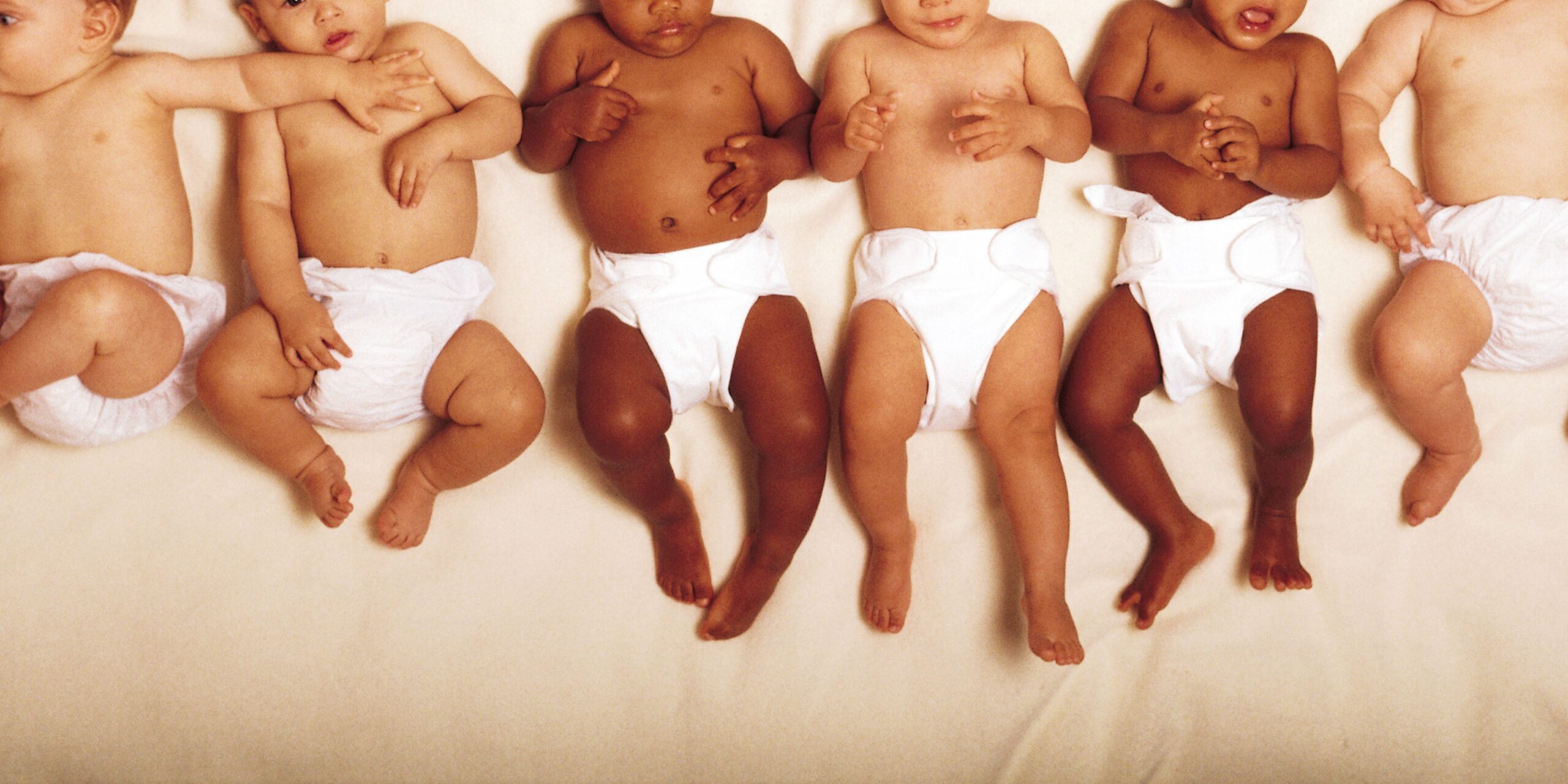
Eczema affects up to 20% of children worldwide making it the most common inflammatory skin condition. However, the biological signals that drive skin inflammation in infancy remain poorly understood. The CARE study aims to deepen our understanding of eczema by comparing immune activity in the skin of babies with eczema and those with healthy skin. We will use a new, non-invasive interstitial skin fluid (ISF) collection device to sample the immune system at the surface of the skin. This fluid contains immune markers and proteins that can reveal how the skin’s defences function in health and disease. By analysing these samples, alongside assessments of the skin barrier and microbiome, the study aims to identify key biological markers linked to eczema development. Findings from the CARE study may help clarify the causes of eczema and support the development of new preventative strategies and effective treatments.
Study Aims
This project aims to establish whether an adapted extraction device is tolerable and will be able to measure chemical signals in baby’s ISF. Specifically, it aims to:
- Demonstrate that the developed ISF device can be used to extract biomarkers from the skin of babies non-invasively and is tolerable (not causing significant discomfort, bruising, or blister formation).
- Compare the profile of chemical markers present in the ISF of healthy babies with babies that have developed eczema.
- Compare the biomarker levels extracted from babies with eczema in lesional and non-lesional skin using the developed ISF device
- Compare the microbiome and metabolome profiles from swabs taken from babies with healthy skin and with eczema in lesional and non-lesional skin (exploratory outcome).
Study Procedures
Skin Swabs
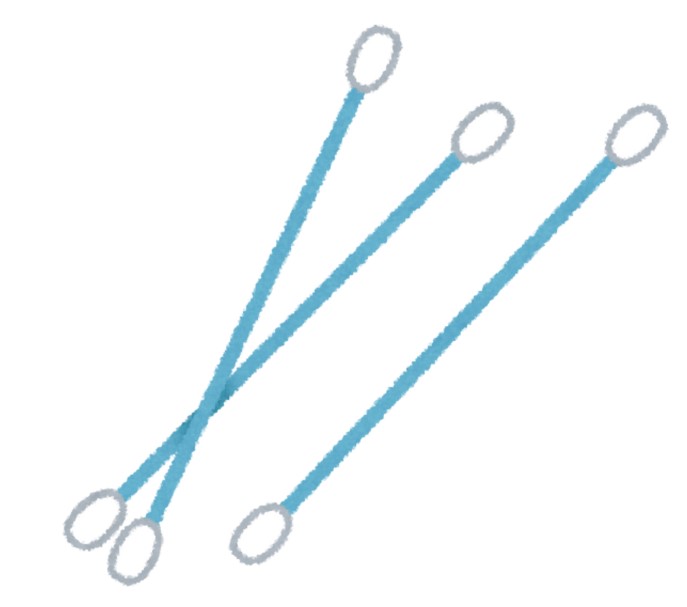
Soft swabs are used on the surface of the skin to collect samples of the skin microbiome (diversity of bacteria) and metabolome (chemical composition).
Interstitial Skin Fluid Sampling
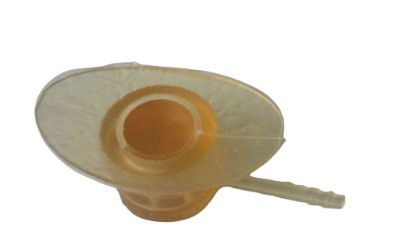
A gentle, non-invasive device is placed on the skin to collect a tiny amount of fluid that naturally sits between skin cells. This is used to measure immune markers and proteins
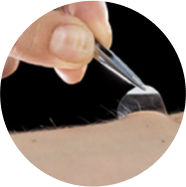
Skin Tape Stripping
A small piece of medical tape is lightly pressed onto the skin to collect skin surface cells to measure the skin’s microbiome (bacterial diversity).
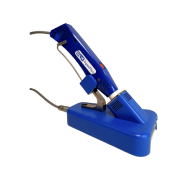
Transepidermal Water Loss (TEWL)
TEWL measures how much water is lost through the skin to assess how well the skin barrier is functioning. It involves placing a small handheld device on the skin surface.
About the Study Design
CARE is an observational cross-sectional study. A total of 30 babies will be recruited, of which 15 will be healthy and 15 have eczema. They will be invited to attend a singular study visit. During this study visit, clinical information such as demographics, medical history and co-morbidities as well as eczema treatments (where applicable) and other skin care practices will be collected. For babies that have eczema, an eczema area and severity index (EASI) assessment will be conducted. For all participants enrolled onto the study, ISF samples will be extracted from the skin and samples for assessing the skin microbiome will be collected, including skin swabs and tape strips. Skin barrier function assessments such as Transepidermal water loss (TEWL) will also be performed. All study procedures will be performed as described above. By collecting this data, we will be able to compare the skin profile of healthy skin and skin affected by eczema.
The CARE team

Prof Carsten Flohr

Dr Helen Alexander

Prof Stuart Jones

Prof Alexandra Santos

Dr Karl Lawrence

Dr Faiza Benaouda
Dr Ellie Corkerry

Dr Maria Wang

Dr. Karaked Chantawarangul

Dr Preeti Khurana