


Overview
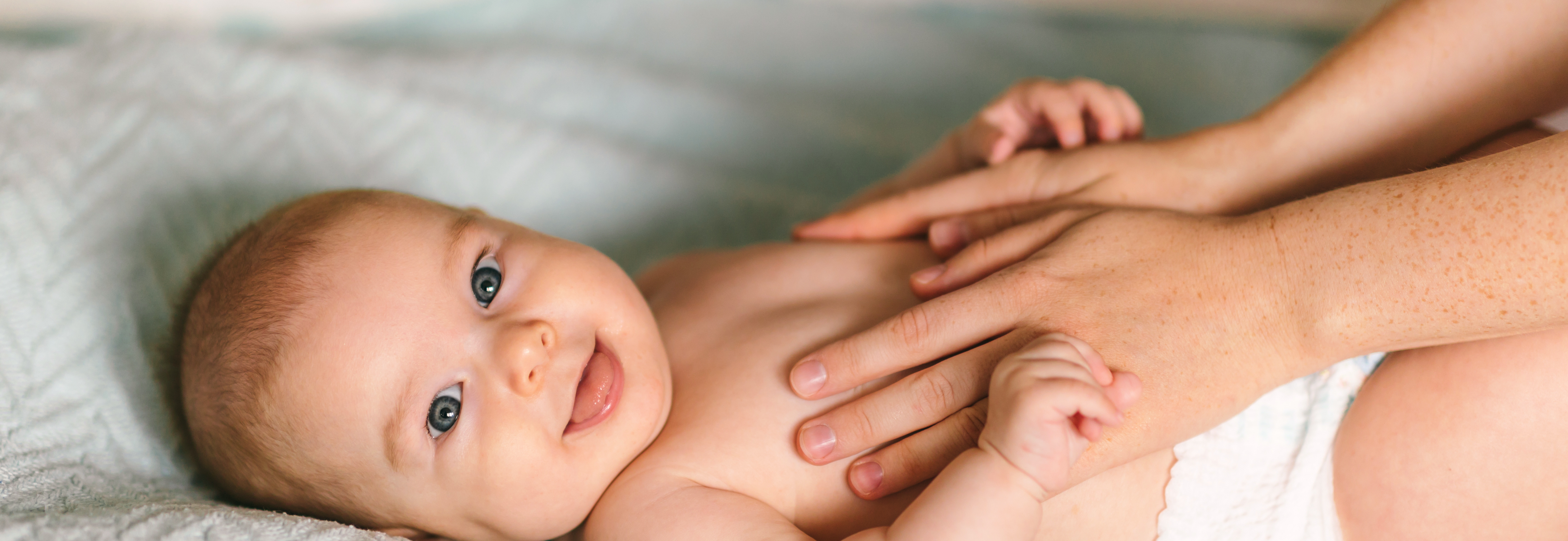
The CUTIE study aims to understand how regular baby skin massage influences the skin’s immune system and microbiome. Research indicates that regular massage can support weight gain in infants, improve sleep patterns, and strengthen the immune system. However, its specific effects on the skin’s immune system remain underexplored. The skin acts as a critical barrier against pathogens and allergens and plays a vital role in the body’s immune response. This study will explore whether gentle, regular massage can: effect immune signals in the skin, strengthen the skin barrier, or influence microbial diversity. We will use a new, non-invasive interstitial skin fluid (ISF) collection device to sample the immune system at the surface of the skin. This fluid contains immune markers and proteins that can reveal how the skin’s defences are functioning. The study has two stages: Part 1 to pilot and optimise the ISF sampling technique and Part 2, an eight-week randomised trial testing how different massage frequencies (daily, twice-weekly, or none) affect skin immunity and barrier function. The CUTIE study aims to reveal new insights into how healthy skin and immune balance are established in early life and could provide deeper insights into atopic diseases.
Study Aims
This study aims to establish whether regular skin massage in babies induces an influx of immune cells into the skin and whether this is amplified by a higher frequency of baby massage. Specifically, it aims to:
Establish if massage increases /decreases immune signals in the skin.
Clarify if the effects of massage are enhanced with the frequency of massage.
Assess changes in skin biology as a consequence of skin massage.
Determine if massage impacts skin barrier function in the early years of life
Study methods

Skin Swabs
Soft swabs are used on the surface of the skin to collect samples of the skin microbiome (diversity of bacteria) and metabolome (chemical composition).
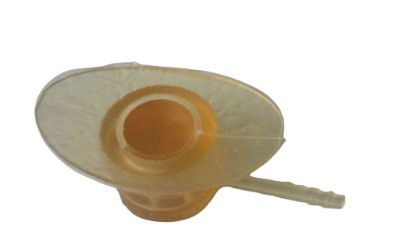
Interstitial Skin Fluid Sampling
A gentle, non-invasive device is placed on the skin to collect a tiny amount of fluid that naturally sits between skin cells. This is used to measure immune markers and proteins

Skin Prick Testing
A routine test for allergies, a very small amount of common allergen is applied to the skin and gently pricked through the top layer. After 15 minutes we check for a reaction.
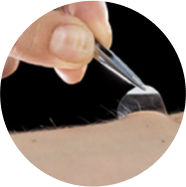
Skin Tape Stripping
A small piece of medical tape is lightly pressed onto the skin to collect skin surface cells to measure the skin’s microbiome (bacterial diversity).
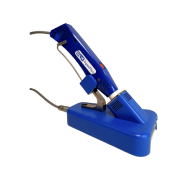
Transepidermal Water Loss (TEWL)
TEWL measures how much water is lost through the skin to assess how well the skin barrier is functioning. It involves placing a small handheld device on the skin surface.
About the study design
The ISF device will be piloted in the first 9 healthy babies enrolled in the CUTIE study. There will be three cohorts with three babies in each cohort, testing three different pressures. This will help us determine the best setting of the device to be used.
In part 2 of the CUTIE study, a total of 100 healthy babies will be recruited and then randomised into 1 of 3 groups for the 8-week duration of the study:
- Group 1 (control group): No moisturiser (emollient) will be applied to their skin, and they will not receive any massage.
- Group 2: You will apply a moisturiser (emollient) with oil and water-based components and massage your baby’s skin twice a week.
- Group 3: You will apply a moisturiser (emollient) with oil and water-based components and massage your baby’s skin daily.
Three groups are required to test the two hypotheses, namely, that massage increases the immune signalling in the skin and an increased frequency of massage further enhances this effect. Parents applying the products and massage to the baby will be provided with a commercially available product and advised to perform it using a standardised manner and record their practice. Participants will be asked to attend three study visits; at baseline, week 4 and week 8, where the above listed study procedures will be performed by research staff.
The CUTIE team

Prof Carsten Flohr

Dr Helen Alexander

Prof Stuart Jones

Prof Alexandra Santos

Dr Karl Lawrence

Dr Tom Marrs

Dr Faiza Benaouda
Dr Ellie Corkerry

Dr Maria Wang

Dr. Karaked Chantawarangul

Dr Preeti Khurana